Psychoanalytic Psychotherapist in Edinburgh
A secure and confidential space for self-exploration.
Therapy offers a dedicated space to navigate life’s challenges, fostering personal growth, deeper self-awareness, and lasting change. Whether you are facing a crisis, navigating a major life transition, or seeking to understand recurring patterns in relationships, psychoanalytic psychotherapy is an approach which engages with the complexities of both external and internal worlds, past and present experience, conscious and unconscious processes.
About Me
I trained in Psychoanalytic Psychotherapy with the Scottish Association of Psychoanalytic Psychotherapists (SAPP), of which I am now a member. I am on the register of the British Psychoanalytic Council (BPC). I am bound by the BPC's Code of Ethics and committed to maintaining its high standards.



I offer psychoanalytic psychotherapy in Edinburgh, providing a secure and confidential space for self-exploration.
Following an academic career at the University of Edinburgh, in the School of Literatures, Languages and Cultures, I moved to full-time private practice to focus on the transformative potential of in-depth therapy. My work is informed by a firm belief in the capacity for creative, holistic growth through therapeutic encounters—a principle that has guided my own personal and professional paths.
I am committed to creating a safe, confidential, and non-judgmental space to explore the stories we tell about ourselves, ultimately facilitating your understanding of yourself at a deeper, more authentic level. I work with individuals from all walks of life and nationalities, and across the entire adult lifespan—from young people in their twenties to those in their eighties and beyond—addressing a wide spectrum of emotional, relational, and psychological challenges.
Why People Seek Therapy
People seek therapy for many reasons, often when they feel stuck, overwhelmed, or looking for deeper meaning. These might include:
Significant Life Transitions & Loss
Navigating bereavement, relationship breakdowns, career changes, or challenging life stages or losses.
Diffuse Emotional Distress
Feelings of chronic anxiety, depression, unfulfillment, or a sense of ‘stuckness’ without a clear, specific cause.
Persistent Relationship Patterns
Finding yourself in similar, difficult situations in personal or professional relationships, despite wanting change.
Work-Related Pressures
Emotional exhaustion or burnout, particularly for healthcare professionals.
Internal Conflicts
Confusion, frustration, or a sense of dissatisfaction or anger with life, even when external circumstances appear positive.
Training & Personal Development Needs
Required for counsellors and therapists in training; potentially beneficial for individuals in a range of professional roles.
Creative Blocks
Whether personally or professionally, exploring inhibitions, self-defeating patterns, or difficulties that are getting in the way of living life in more personally satisfying ways.
Seeking Deeper Understanding
When previous, more short-term, or goal-oriented therapies have been only partially successful, and you are looking to explore further the root causes of your difficulties.
Psychoanalytic psychotherapy aims to foster lasting, meaningful change. It tends to be longer term, but shorter periods of time-limited therapy can also be helpful depending on an individual’s circumstances and preferences.
I offer in-person sessions from my consulting room in Edinburgh.
About Psychoanalytic Psychotherapy
Psychoanalytic psychotherapy has a number of fundamental assumptions about human experience:
It provides the opportunity to explore, make sense of, and work through the processes which inform feelings, thoughts and actions. The understanding and insight gained can alleviate emotional, mental and physical symptoms, leading to more satisfactory and meaningful ways of conducting one’s life and relationships.
Further details and information about psychoanalytic psychotherapy are available from professional bodies directly:
Commitment & Frequency
Psychoanalytic psychotherapy is usually intensive long-term work and requires considerable commitment of time and energy. The frequency of sessions ranges from once to three or more times a week, and is worked out with the psychotherapist. Intensive psychoanalytic psychotherapy usually takes place on the couch – many find that this facilitates the free associative process.
Who Can Benefit?
Many individuals suffer from a wide range of emotional and mental distress caused by a variety of factors which affect their lives, their relationships, both personal and professional, and their sense of effectiveness at work and in their intimate lives. These difficulties often manifest as depression or anxiety or other painful and confusing emotional and physical symptoms. Some people come in order to make sense of more generalised feelings of loss and emptiness or dissatisfaction. These can be accompanied by overwhelming and inexplicable feelings towards the self and others, such as anger, despair or rootlessness.
Studies show that this exploration of both conscious and unconscious experience allows those in therapy to address the root causes of their distress rather than just managing surface symptoms. While this process of deep self-discovery can be emotionally challenging, empirical evidence suggests it fosters substantial, long-term improvement in emotional resilience and interpersonal relationships. The benefits of this approach often continue to develop after therapy has concluded. This type of therapy offers the possibility to discover more about who we are, and why we are as we are, sometimes in unexpected ways, ultimately freeing up a more fulfilling and creative engagement with life.
Next Steps, Fees & Practicalities
To explore psychoanalytic psychotherapy in Edinburgh, please contact me via the form on the contact page or email me directly to arrange an initial consultation.
Session Practicalities
Sessions last 50 minutes. Fees are discussed in the initial consultation sessions, and are arranged to suit the frequency of sessions.
Duration of Treatment
The length of time a person may be in psychoanalytic psychotherapy is very variable and is determined by the individual’s needs.
Policies
Other practicalities such as my cancellation and privacy policies will be explained on enquiry and during the initial consultation.
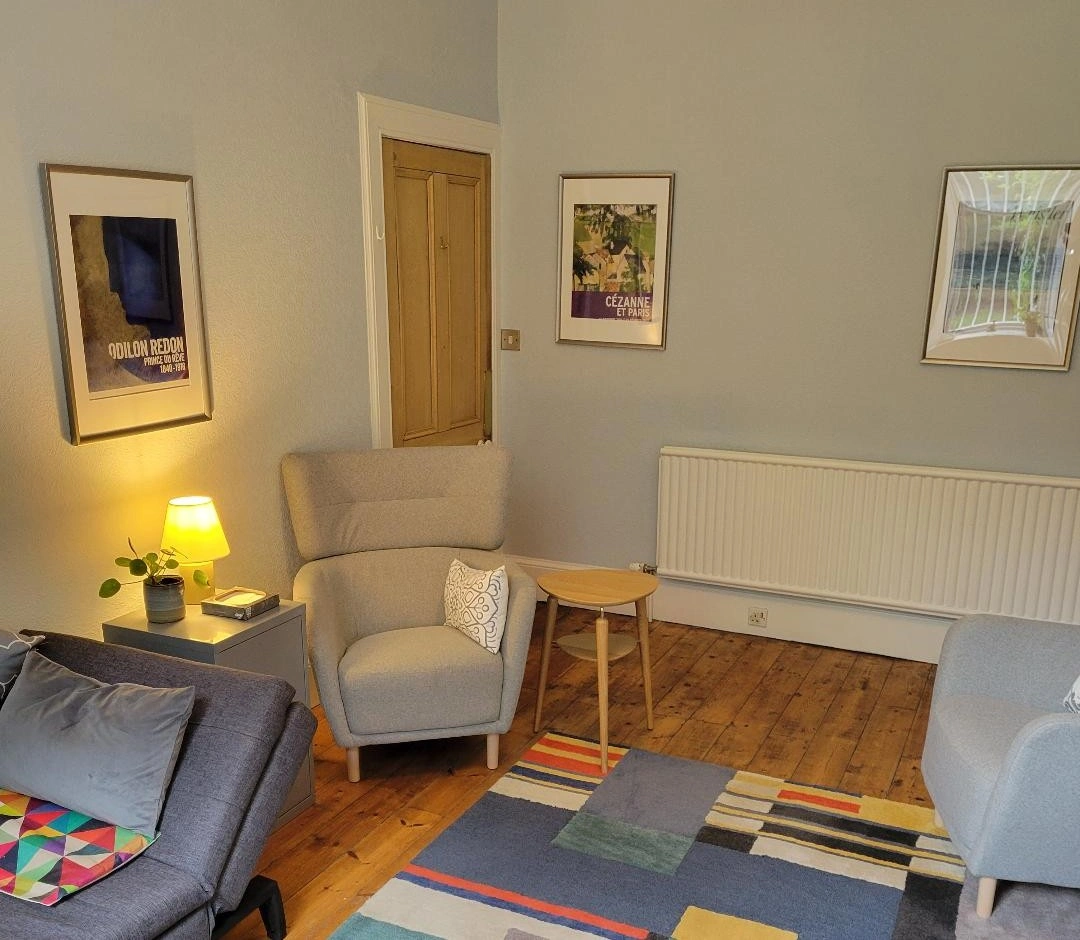
My Consulting Room
I practise from a dedicated, quiet consulting space in South Edinburgh by Cameron Toll shopping centre. It is a short walk from Kings’ Buildings (University of Edinburgh). I can be reached easily by bike, bus, or a short car journey from:
By Public Transport: Waverley railway station is approximately 3 km away (a 10-15 minute bus ride). Many major bus routes stop nearby.
By Car: There is free on-street parking nearby for those arriving by car.
Arrange a Consultation
To get in touch, please send an email directly or use the secure form below.